Share this Article


Picture a first-grade Sunday school classroom at a church outside Nashville. The teacher pulls out a flannel board. Within forty seconds, three kids are upside down on the bean bags and one is asking if the Wi-Fi works. Anyone who has stood in front of Gen Alpha on a Sunday morning knows that look. Not bored the old way. Bored a new way, raised on algorithms that already know what they want next.
The teachers winning this fight are not the loudest. They are the ones swapping tired methods for what kids actually lean toward. Here are five children’s ministry tools doing the heavy lifting right now.
1. Interactive Video Apps Built for Faith
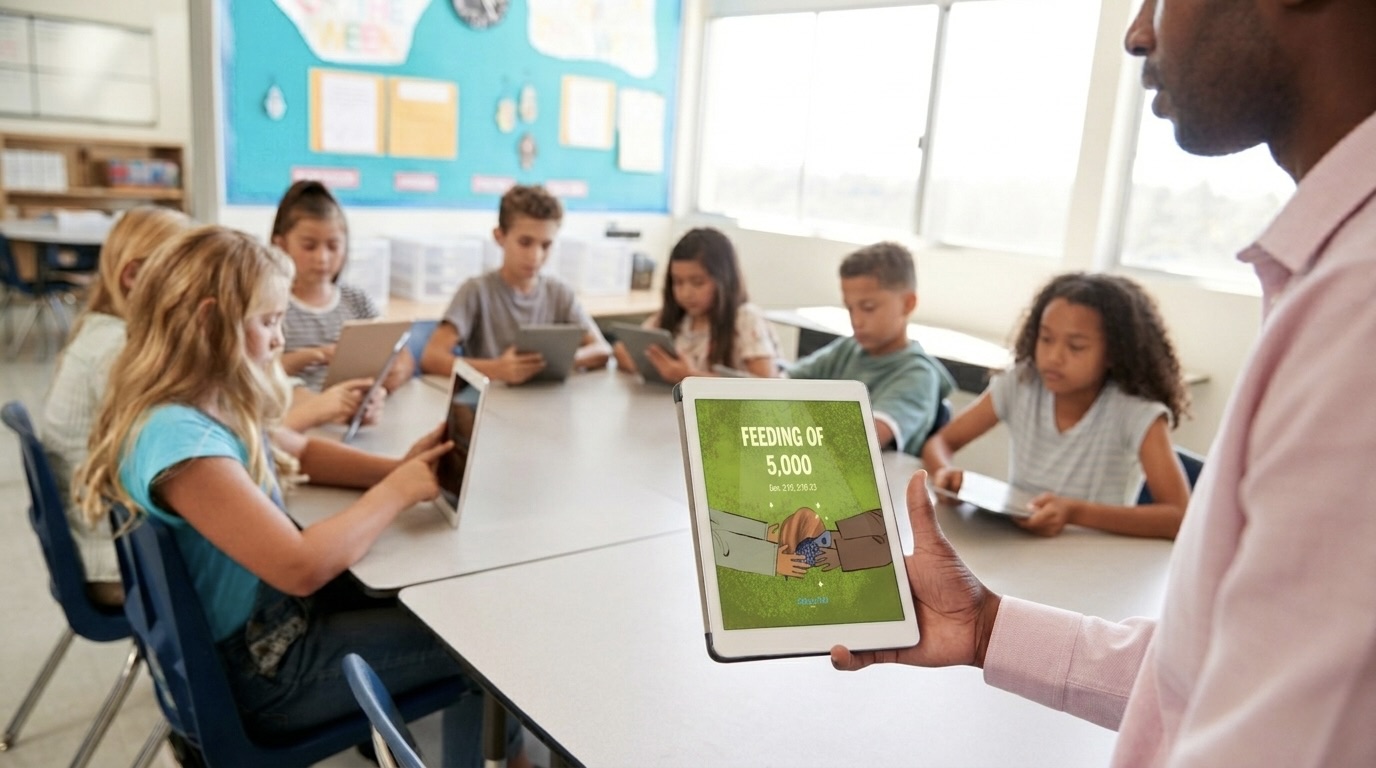
Felt boards taught a generation. They will not teach this one. Digital tools for Sunday school teachers have moved hard toward animated, quiz-driven platforms, and the reason is simple. Gen Alpha was handed a tablet before they were handed a fork.
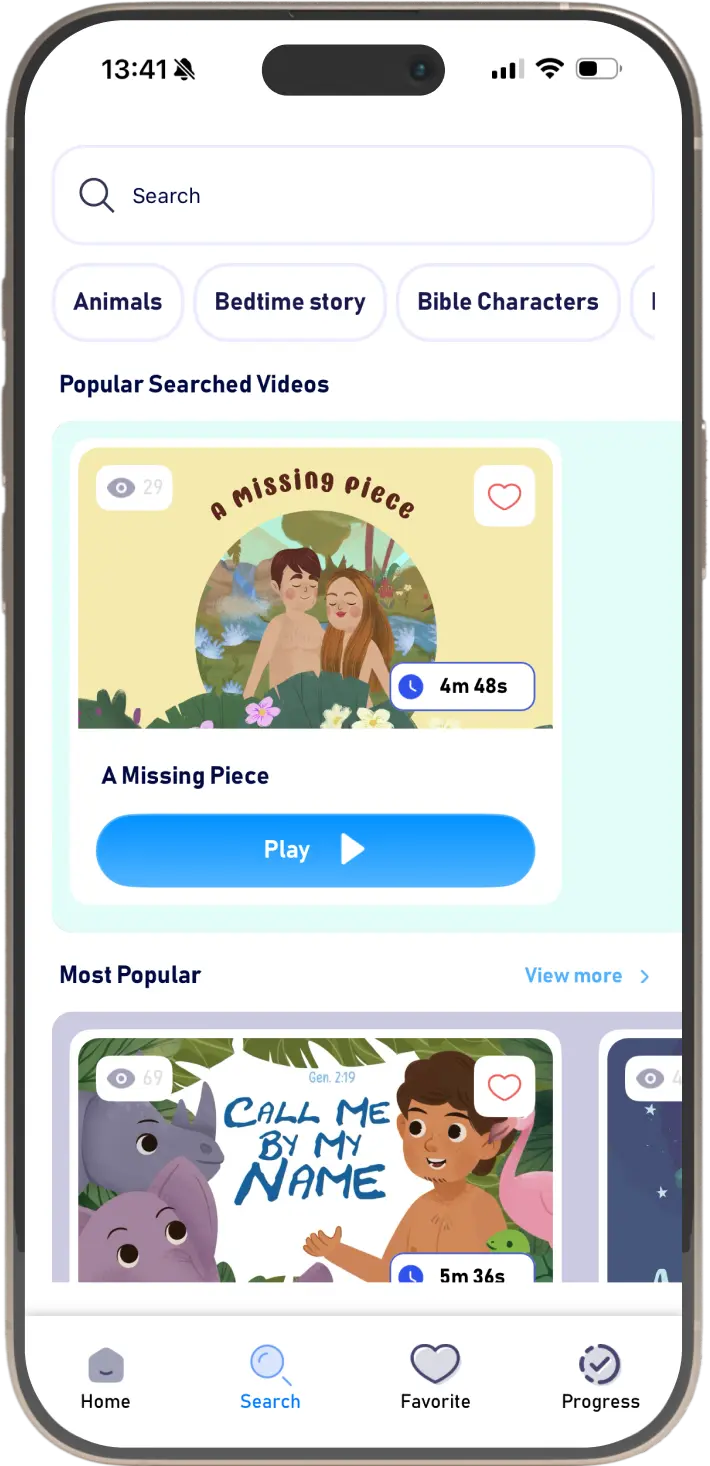
The AbbaKid app keeps coming up in teacher Facebook groups for one reason. The stories land. “The Good Samaritan: A Lesson of Love” runs short, the animation has actual personality, and the built-in quiz tells a teacher within ninety seconds who was listening and who was thinking about lunch. “Jesus Walks on Water” is the one that surprises everyone. Kids who shrug off most Bible content go quiet during that scene. Something about watching Peter sink gets them.
The smart move: stop the video right before the moment of decision. Make them guess. Then press play. The conversation that follows beats any pre-written lesson plan.
2. Gamification That Rewards Scripture Memory
Conventional wisdom says kids should learn scripture because it is the right thing to do. Conventional wisdom is losing. Gamification in kids’ church works because it borrows the same mechanic that keeps these kids glued to Minecraft. Badges, streaks, unlockable content. The Barna Group’s research on Gen Z and faith found that children given structured rewards around scripture engagement retained verses at much higher rates than those given lectures. The lesson is not that kids are mercenary. It is that the brain remembers what feels like a win.
3. Story-First Bible Curriculum
Lecturing a seven-year-old about substitutionary atonement is a fast way to lose them. Telling them the story of Zacchaeus is not. Curricula that lead with narrative, such as The Jesus Storybook Bible by Sally Lloyd-Jones, work as a backbone for interactive Bible lessons for kids because doctrine sneaks in through the side door of story. Pair a chapter with a matching AbbaKid cartoon and the same idea hits the kid three different ways. By Wednesday, when most Sunday lessons have evaporated, this one is still there.
4. QR-Code Take-Home Cards
This one came from a children’s pastor in Tyler, Texas, tired of watching her Sunday lessons die in the church parking lot. She prints index-card-sized QR codes for every lesson. Parents scan them in the car or at bedtime. One scan opens a short cartoon, a prayer, or a question to ask at dinner. Cheap, and almost nobody is doing it yet. The best Sunday school activities for kids in 2026 are not the ones happening on Sunday. They are the ones that follow the kid home.
5. Small-Group Discussion Cards With Real Questions
“What did you learn today?” gets a kid to say “nothing.” Try this instead: “When was the last time someone helped you when you did not deserve it?” Watch the room shift. Specific questions pull real answers, and real answers are where Sunday school stops being a chore and becomes a memory. Pair these with AbbaKid bedtime stories parents already play at home, and the lesson keeps unfolding past the closing prayer.
How to engage Generation Alpha kids is not really about technology. It is about respect. These kids can tell the difference between an adult who is interested in them and an adult performing a Bible lesson at them. Give them tools that treat them as participants, and the room shifts on its own.
Anyone ready to try this can download the AbbaKid app, order the storybooks, and let the kids pick which Bible hero they want to meet first. That single choice is usually the doorway in.