Share this Article


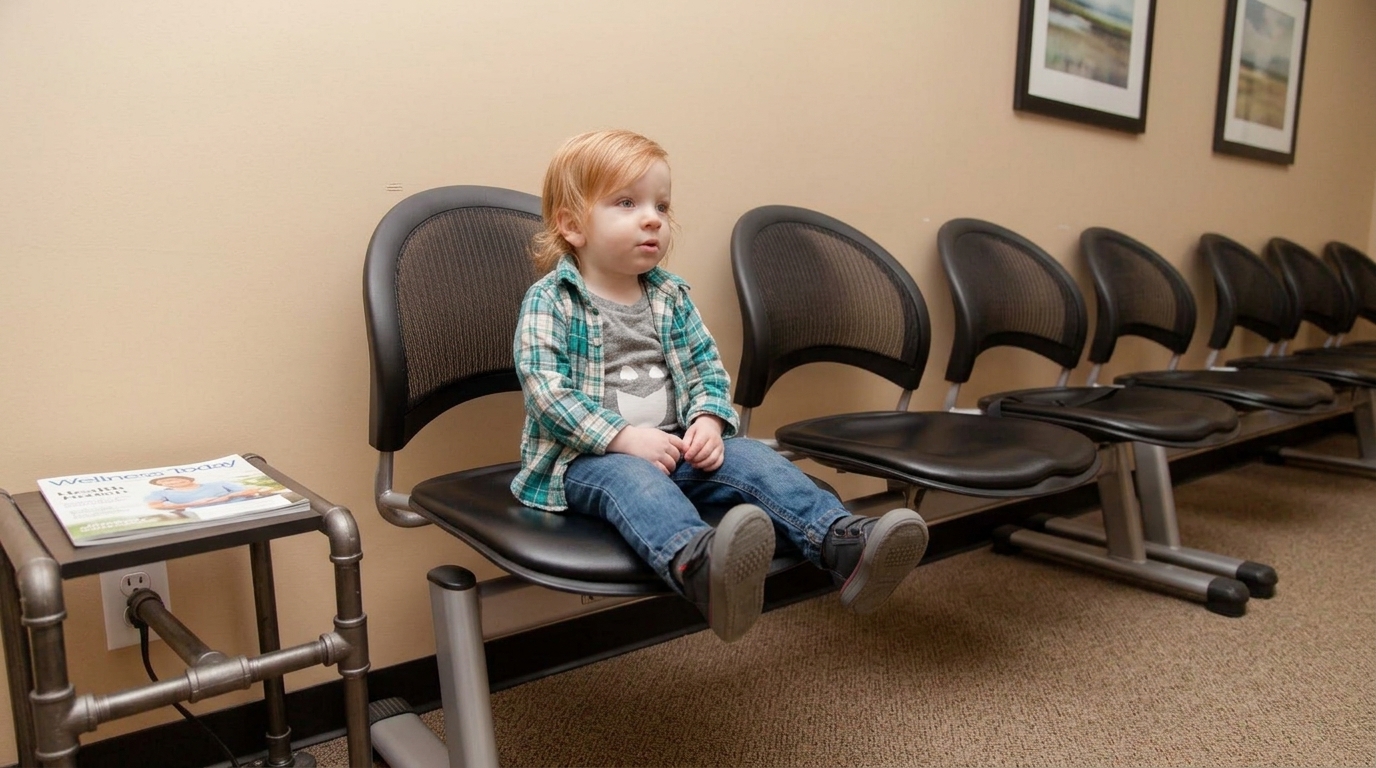
You know the sound. The sigh from the back seat. The fourth “how much longer?” before you’ve even left your own street. The full collapse over a package that hasn’t come, a birthday that’s still three weeks off, a friend who hasn’t written back yet.
And the thing is, they’re not being dramatic.
A child’s sense of time is still being built. Two weeks isn’t fourteen days to a seven-year-old — it’s an era, with no end you can point to and nothing they can do to speed it up. Which is why “just be patient” so rarely lands. You’re naming something you want from them without handing them any way to get there. It’s a bit like telling someone to be taller.
What does work, sometimes, is a story.
What happens in the book
Lindsey is waiting for a letter. Her best friend from summer camp promised to write, and every afternoon she walks out to the mailbox and every afternoon it’s empty. She’s been at this almost two weeks and she’s finished.
Her grandpa says the thing every adult says. It’ll come. Just be patient.
And Lindsey snaps right back at him: But I have been patient!
He doesn’t argue. He takes her for a walk instead.
They stop at the pasture to pet a horse, and he mentions that letters used to travel this way, on horseback, long before anyone had a mail truck. Birds go over and he tells her about trained doves and carrier pigeons with messages tied to their legs. (“Now that’s what I call air mail,” Lindsey says, which is exactly the joke a kid would make.) Then camels, crossing deserts in Africa with the post.
Somewhere in here Lindsey forgets to be angry. She starts asking questions.
So Grandpa goes back further, to Noah — sitting on a boat after forty days of rain with no way of knowing whether the world outside had dried out. He sent a raven, and it flew back and forth over the water. He sent a dove, and she came home because there was nowhere dry to land. He waited seven days and sent her again, and that evening she came back with a fresh olive leaf in her beak. That was the message. He waited seven more days before he sent her the last time.
Nobody spells out the lesson. Lindsey does the math herself, and two weeks stops looking like very much.
Then the mail truck comes, because this is a story for children and children deserve a little mercy.
Why it works on kids
The book never tells a child to be patient. That already happened, on page two, and it accomplished nothing — the story is honest about that. What Grandpa offers instead is a bigger frame to set the waiting against, and that’s the part with staying power. A kid who gets a reframe can reach for it again on her own next time. A rule she just has to obey, she can’t.
I’d also point to how the Noah account arrives. It isn’t bolted on at the end as the moral. It surfaces mid-conversation, between the pigeons and the mail truck, because it happens to answer the exact problem Lindsey walked in with. Children who grow up seeing Scripture used that way — on an ordinary afternoon, about an ordinary disappointment — tend to keep reaching for it later.
And then there’s Grandpa, who I think is the quiet reason the whole thing holds together. He doesn’t fix her problem, because he can’t. He doesn’t tell her to cheer up either. He walks with her and keeps her company inside the waiting. Kids clock adults like that, and they remember them.
Two practical notes. It reads aloud well — you get two voices to play with, and Lindsey’s lines are funnier out loud than on the page. And there’s real history tucked in here, so consider yourself warned about the carrier pigeon facts coming your way for the next several days.
The best part comes weeks later, though, when your child is stuck waiting for something else entirely and you get to say: remember how long Noah waited? That does more work than any amount of reasoning.
Read it together
It’s short. Good for bedtime, good for a rainy afternoon, and it goes down a lot easier than a conversation about patience ever does.
When you finish, try asking what they’re waiting for right now. The answer is often not the thing you’d have guessed.
If you want to find Air Mail and other Abba Kid books, please visit Amazon.